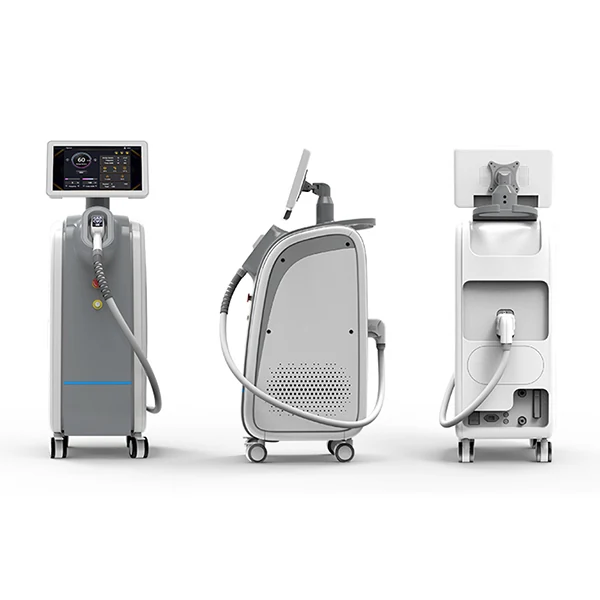
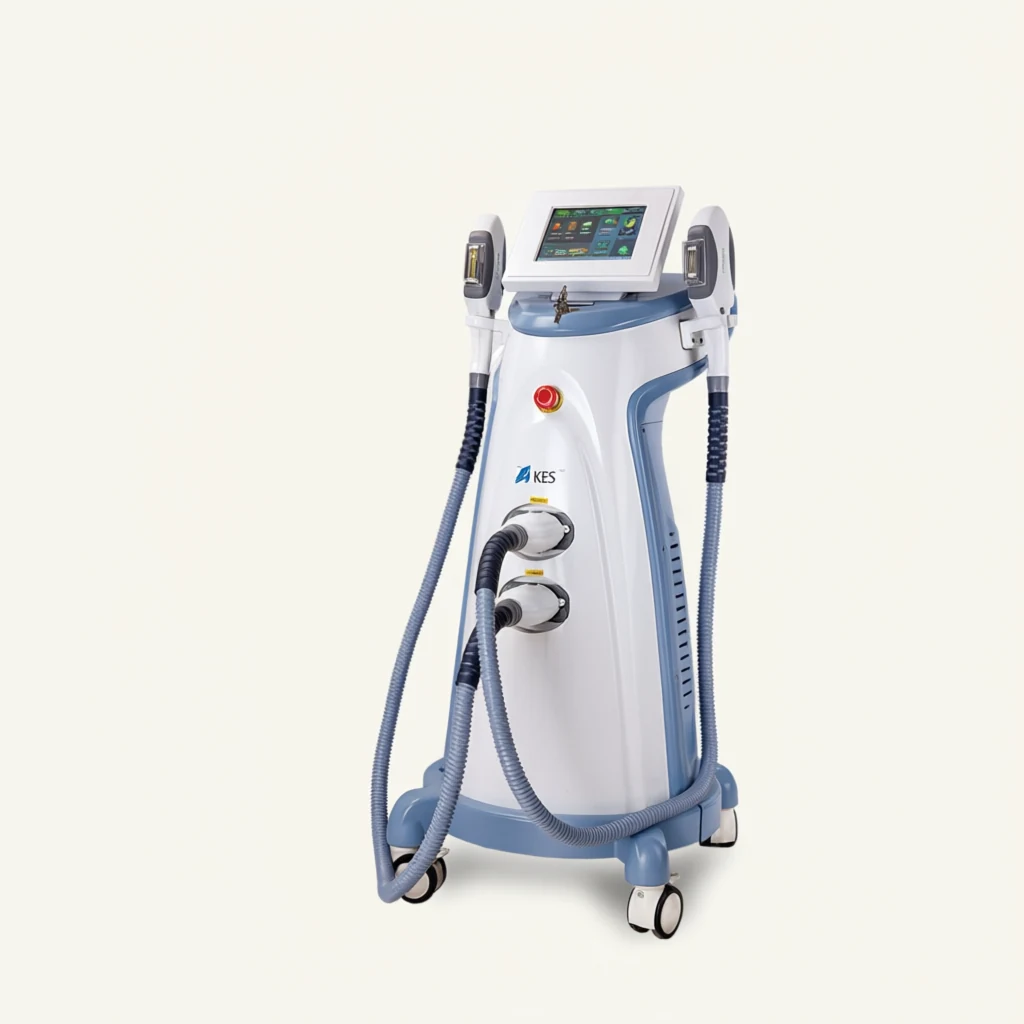
Product presentation · Confirm configuration with your quotation
KES / Hair removal
MED-230 IPL SHR Machine Manufacturer
MED-230 is the KES IPL SHR hair removal and skin care machine for buyers comparing professional equipment configurations. Its published specification brings IPL, SHR and RF information into one product record. Start with the exact MED-230 configuration, then build your enquiry around the handpieces, electrical requirements and documentation your business needs. The details below are a purchasing guide, not operating instructions or a promise of treatment results.
View specifications ↓For distributors and professional procurement.
Share your destination market when you enquire.
Share your destination market when you enquire.
Technical specifications
| Wavelength | 650-950nm (SHR) 430/530/640-950nm (Elight) |
|---|---|
| RF Energy | Up to 50W |
| Pulse Duration | 1-15ms |
| Frequency | 1-10 Shots/Second |
| IPL Peak Power | 3500W |
| RF Power | Max. 50W |
| Stand-by Working | Continuously for 12 hours |
| Dimention (W*L*H) | 68*61*137cm |
| Net Weight | 45.6Kg |
Options and order-specific details should be confirmed in the final quotation.
An IPL SHR platform with a defined model identity
An enquiry for an IPL machine can mean very different things to a distributor, a clinic purchasing manager and a service engineer. MED-230 gives that discussion a specific starting point. Use the complete model name on your request so photographs, technical answers and commercial terms all refer to the same equipment. Keep this model separate from similarly named products when preparing a comparison sheet.
The published optical specification identifies a 650–950nm SHR range and lists 430/530/640–950nm for Elight. Those labels describe the product's published configuration. Ask which handpieces and filters are included in your proposed package and how their identifiers appear on the packing list. A catalogue label alone should not become an assumption about everything supplied in the box.
For an equipment reseller, the useful question is whether the proposed package matches the product you intend to offer locally. For a clinic purchaser, it is whether the technical documentation and intended-use information fit the planned purchase. Record both requirements before requesting a price. This avoids comparing a basic quotation with another offer that includes additional accessories or support items.
Read the power and timing specifications correctly
The MED-230 specification lists IPL peak power at 3500W and RF power at a maximum of 50W. The source also has a separate RF Energy row stating up to 50W. Retain those labels in your technical comparison. Do not add these figures together, treat them as equivalent measurements, or use a headline power number as a prediction of clinical performance.
Pulse duration is published as 1–15ms, while frequency is listed as 1–10 shots per second. These are equipment specifications, not recommended settings. If your procurement team needs a demonstration, request a walkthrough showing how the relevant controls appear and what documentation accompanies them. Selection of operating parameters belongs within the appropriate training, instructions and professional responsibilities.
Ask the supplier to identify which ranges apply to which handpiece and operating mode in the configuration being quoted. A useful response should let your team connect a control label to a manual section and an accessory identifier. If that relationship is not clear, settle it in writing before purchase rather than filling gaps with details copied from another IPL product.
Plan the room and delivery route around the actual machine
Published MED-230 dimensions are 68 × 61 × 137cm in the stated width, length and height order. Net weight is 45.6kg. These figures are useful inputs for a room plan, but they are not shipping dimensions or gross shipment weight. Ask for the packing dimensions and packed weight separately when requesting freight estimates or planning receipt at your premises.
Check the full delivery route, including the entrance, lift, internal doors and the final equipment location. Ask how the machine is secured for transit and what handling instructions accompany it. Your local receiving team should know whether any assembly, positioning or commissioning steps need to be completed before the unit is put into service.
The specification includes a standby-working entry of continuously for 12 hours. Keep that description within its published scope. It is not a treatment-throughput commitment or a guarantee of uninterrupted use under every load. For your planned schedule, request the operating conditions, environmental requirements and maintenance instructions that apply to the quoted configuration. Use those answers when planning staffing and room availability.
Specify the handpiece package before comparing prices
For this platform, a meaningful quotation needs a clear accessory schedule. Ask for the name, quantity and purpose of each supplied handpiece, the filter arrangement, the included cables and the items needed for initial setup. Request current photographs that correspond to the quoted package, especially when reviewing multiple offers with similar product names or cabinet designs.
Separate supplied items from optional additions. If a distributor plans to keep a demonstration unit and sell further units later, ask whether the same accessory configuration can be identified consistently on future orders. A written configuration reference helps purchasing staff and service teams communicate without relying on a screenshot or an informal description from an earlier conversation.
Consider how accessories will be stored, checked and replaced in your own operation. Ask for cleaning and care instructions, replacement identifiers and the procedure for requesting a compatible spare. These are procurement questions rather than claims that a particular replacement schedule or stock level is available. The answers should become part of the commercial and technical record for your order.
Compare IPL offers with a usable purchasing worksheet
Build your comparison around the work your organisation must complete before introducing equipment. Put the exact model, supplied handpieces, published optical ranges, pulse-duration range, frequency range and room requirements in separate fields. Include a column for documentary evidence and another for unanswered questions. This makes differences visible without reducing the decision to the largest number on a brochure.
When reviewing the wider KES hair-removal range, ask for a model-specific proposal. Do not assume that a portable product, an IPL platform and a diode laser share the same accessories or operating specifications. A sensible shortlist records the business reason for considering each device, then checks the relevant documentation against that reason. The hair-removal category can help you organise that enquiry.
For a distributor, add the product information your sales team will need to describe the supplied machine accurately. For a purchasing department, include acceptance criteria and who will sign off each point. For a service partner, include access to the correct manuals and component identifiers. One coordinated worksheet is more useful than separate email chains containing different versions of the requirements.
Prepare a practical OEM or distributor enquiry
If you are exploring a branded supply arrangement, describe the proposed market, purchasing organisation and expected order pattern. State whether you are enquiring about standard KES branding or requesting a discussion about changes to product presentation. Provide artwork and language requirements only as requested specifications; their inclusion in an enquiry does not mean every change is available or already approved.
Ask which aspects of the product, packaging and supporting documents can be considered for your project. Request separate confirmation of minimum order requirements, sample arrangements, artwork review and any changes to delivery timing. Keep the equipment configuration and the branding brief together so an approved visual design is not confused with approval of a different technical package.
For resale, agree how model identification will appear on quotations, packing information and customer-facing materials. Ask who will review translated descriptions and how revisions will be communicated. A distributor should be able to trace the unit it sells back to the configuration it purchased. This is particularly useful when accessories are ordered separately or an enquiry develops through several rounds of discussion.
Request documentation and define acceptance before dispatch
Ask for the current instructions, configuration list, electrical information and any market-specific documents relevant to your destination. Review the scope of each document against the exact product and intended transaction. General company literature should not substitute for documentation that your importer, purchasing team or local adviser requires for this particular equipment purchase.
Define what you want checked before dispatch: model identity, included accessories, labels, visible condition and the agreed demonstration or inspection record. Ask how discrepancies will be documented and resolved. Settle these points before shipment so the receiving team can compare the delivered package with a clear record rather than reconstructing the agreement from promotional material.
After-sales terms also deserve their own written section. Ask about the support contact, information needed for fault reporting, spare-parts ordering and the terms applicable to the quoted unit. Do not infer a warranty period from a component description or a general statement elsewhere in a catalogue. A complete MED-230 enquiry should leave both sides with the same list of equipment, documents and commercial expectations.
Before you enquire
Questions, answered.
What information should I include in a MED-230 quotation request?
Include your country, company role, intended purchasing quantity and the accessory package you want evaluated. Mention whether you need a standard product quotation or a discussion about branding. Attach the technical questions that matter to your purchasing team. Ask for the exact configuration, included items, freight basis and written commercial terms so you can compare the response with other offers on the same basis.
What optical ranges are published for MED-230?
The published specification lists 650–950nm for SHR and 430/530/640–950nm for Elight. Ask how these entries correspond to the handpieces and filters included in your quotation. These figures identify the published configuration; they do not establish treatment suitability for a particular person or replace the equipment instructions. Your final purchasing record should identify the supplied accessories explicitly.
Is the 3500W figure the same as RF output?
No. The specification labels 3500W as IPL peak power and separately lists RF power at a maximum of 50W. Keep those entries separate when comparing equipment. If your engineer needs measurement conditions or further electrical information, request the relevant technical documentation. Avoid interpreting either published value as a promise about treatment outcomes or the number of appointments your business can complete.
Can I use net weight to book delivery?
The published net weight is 45.6kg, but a freight booking requires the packed shipment information. Request gross weight, package dimensions, handling instructions and the agreed delivery terms. Also check access at the destination. Those details help your receiving team prepare for the actual consignment and avoid confusing the dimensions of the equipment with the dimensions of its protective packaging.
How do I discuss accessories and future support?
Ask for an itemised accessory list and the identifiers needed to order compatible replacements. Request the support procedure, documentation format and applicable commercial terms for the proposed purchase. Keep the response with your order record. For a broader enquiry, use the OEM/ODM or contact page and specify MED-230 so the discussion remains connected to this model rather than a general equipment category.
Keep exploring
Explore category →In the same collection.
Your next equipment project
Let’s build your shortlist.
Tell us your market, preferred model and configuration questions.