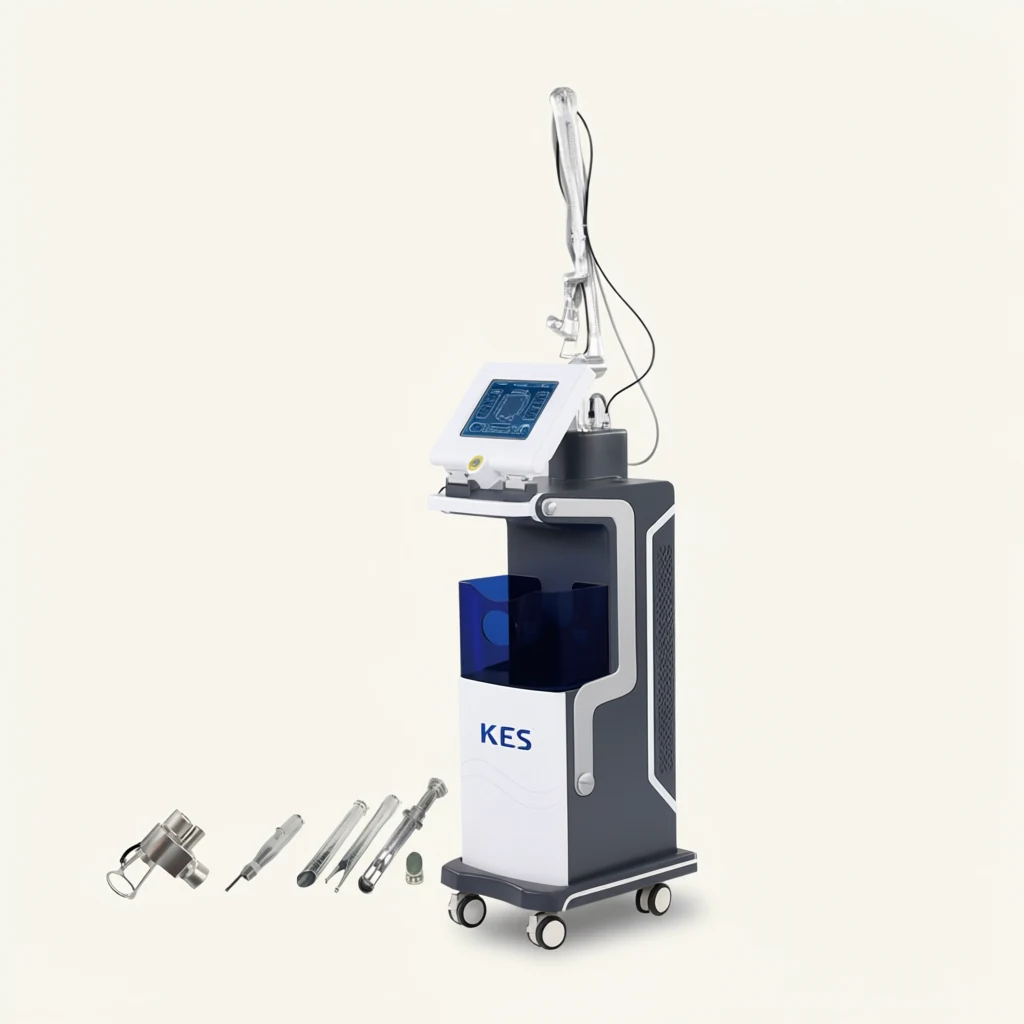
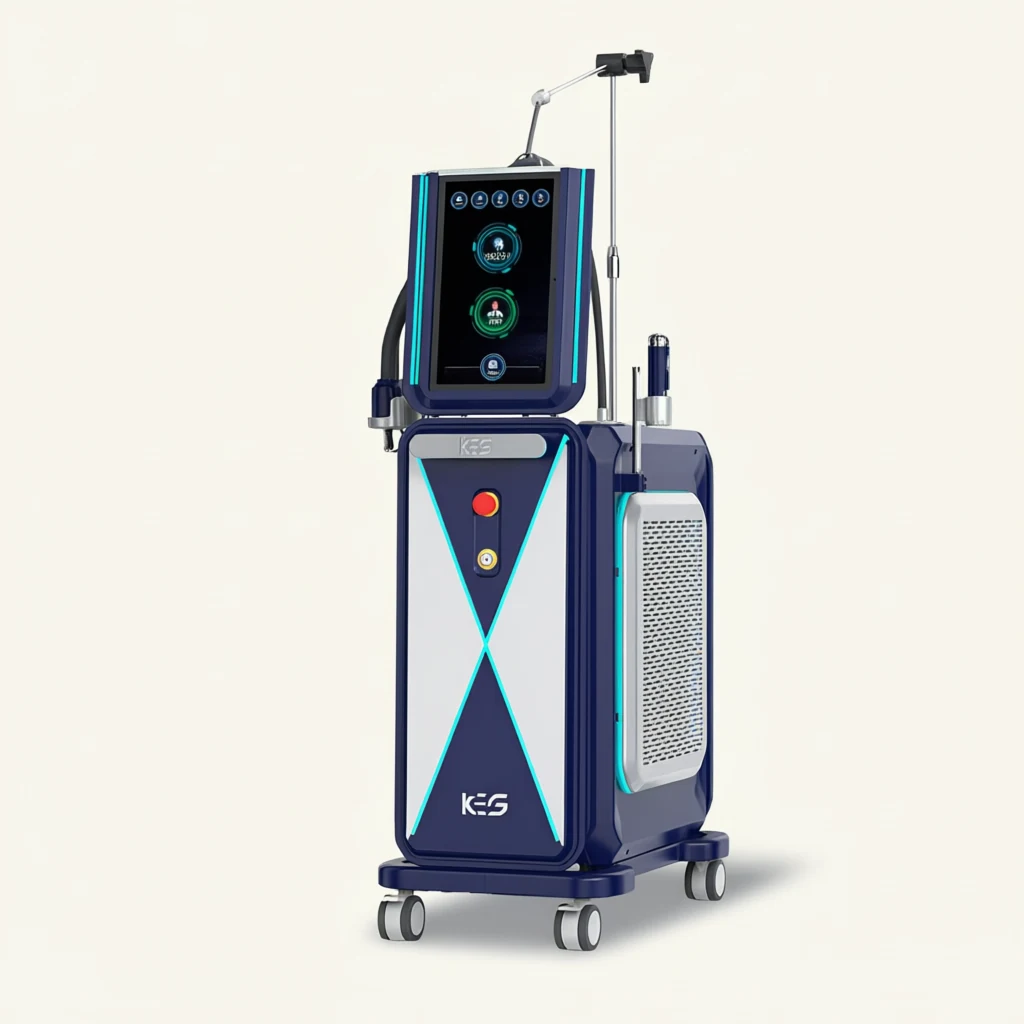
Product presentation · Confirm configuration with your quotation
KES / Skin resurfacing
1927nm Thulium Laser Machine Manufacturer
The KES 1927nm thulium laser machine is available for a model-specific equipment enquiry under the displayed product identity 1927. For buyers evaluating this product, the next step is a complete technical and commercial proposal. This page sets out the questions to resolve before purchase, from the exact configuration and documentation to installation, accessories and acceptance. It does not provide treatment instructions or make promises about clinical results.
View specifications ↓For distributors and professional procurement.
Share your destination market when you enquire.
Share your destination market when you enquire.
Technical specifications
Request a model-specific specification sheet for the configuration you are considering.
Options and order-specific details should be confirmed in the final quotation.
Give the thulium laser enquiry a precise starting point
Use the product identity 1927 and the description 1927nm thulium laser machine when contacting KES. Include the product link so the sales and technical discussion refers to the same equipment. A concise reference is especially useful when a purchasing team is reviewing several laser technologies at once or collecting proposals from different sources for a broader equipment project.
Explain your purchasing role and destination. A distributor evaluating a demonstration unit has different commercial questions from an organisation buying equipment for its own premises. State whether you are seeking a preliminary technical discussion, an itemised quotation or information for an internal approval process. This helps frame the response around the decision you are trying to make rather than a general brochure request.
The published identity is a starting point, not a complete order specification. Ask for a current configuration sheet and the documents that apply to the unit being offered. Keep unresolved details as questions until they are answered. A useful proposal should allow your team to connect the product name, photographs, configuration, accessories and commercial terms without borrowing information from another thulium device.
Request the technical schedule your team needs to review
Ask for a specification sheet that identifies the output characteristics, available controls, delivery arrangement and electrical requirements of the proposed configuration. Request the definitions and conditions behind each technical entry. If your internal purchasing form requires a value that has not been confirmed, leave that field open and ask for the supporting documentation instead of filling it with a category-wide assumption.
For the user interface, ask which functions and languages are available on the quoted version and request a demonstration. If your team needs information about software revisions, updates or connectivity, list those questions separately. A product photograph or technology name cannot establish the complete interface specification. The purpose of the review is to find out what is actually being offered and how it is documented.
Ask which accessories and delivery components are included, which are optional and how each item is identified. Request photographs or drawings that correspond to the proposed package. If a feature is important enough to influence your purchasing decision, make it an explicit requirement in the enquiry and ask for written confirmation. This keeps the specification discussion measurable without inventing numbers or performance claims.
Organise a demonstration around purchasing questions
A demonstration request should start with a list of equipment questions. Ask to see the model identification, the supplied components, the interface navigation and the information available in the operating documentation. Request a clear distinction between the unit demonstrated and the configuration quoted. If they differ, ask for the differences to be identified in writing before your team relies on the demonstration.
Use the session to clarify how your organisation would receive and identify the equipment, access its instructions and communicate technical questions. Ask what preparation or training arrangements can be discussed and what is included in the proposal. These are commercial and technical questions. A demonstration should not be treated as a promise of particular clinical outcomes or as permission to operate equipment without the appropriate professional preparation.
Afterward, record the questions answered and the items still open. Ask for relevant documents rather than relying only on a verbal explanation or a short video clip. Your purchasing team should be able to review the information independently and identify which requirements have been met. If another colleague joins the project later, a written record helps them understand the basis of the proposed purchase.
Match the documentation to the destination and intended use
Tell the supplier which country the equipment will enter and which organisation will review the documents. Ask for the product-specific information required by your importer, procurement team or local adviser. Review the scope of every document against the exact equipment being offered. A general statement about a company or technology category does not establish what applies to a particular transaction.
Ask for the current operating instructions and the information needed to assess intended professional use. Where your organisation requires a specialist review, make that step part of the purchasing process. This page is an equipment enquiry guide; it cannot determine suitability for an individual or establish permission to use a device in every market. Those decisions require the relevant documentation and appropriate local assessment.
Keep the document list in the same record as the proposed configuration. If the offer changes, ask whether any supporting materials also need to be updated. This matters when a discussion moves from an initial enquiry to a revised accessory package or a branding proposal. The approved documents should describe the product being ordered, not merely a similar product shown during an earlier conversation.
Plan the physical installation before approving shipment
Request confirmed equipment dimensions, net weight, packed dimensions and gross weight. Ask for handling instructions and information about the package contents. These are separate questions: the size of the unit helps with placement, while the size and weight of the consignment help with transport and receipt. Your freight arrangement should use the shipment information confirmed for the actual order.
For the final location, ask about electrical requirements, environmental conditions, connections and any clearances specified in the instructions. Have the responsible people at your premises review those requirements before delivery. Avoid estimating the working space from a product photograph. A room plan should reflect the confirmed equipment and the tasks described in its documentation, including access needed for inspection and care.
Ask what steps are completed before shipment and what remains for the destination. Clarify who is responsible for receipt checks, assembly or commissioning arrangements where applicable. Put agreed responsibilities in writing. This gives the receiving team a practical handover plan and prevents a commercial delivery date from being mistaken for confirmation that the equipment is ready for professional operation immediately on arrival.
Discuss a distributor or OEM project without assumptions
For a distribution enquiry, describe your business, destination market and proposed order pattern. Ask what product information can be supplied for evaluation and what commercial conditions would apply to a first purchase. If you are considering both a demonstration unit and later orders, request separate clarification of each arrangement rather than assuming that the same terms apply automatically.
For an OEM or branding discussion, outline the requested presentation, packaging language and supporting materials. Provide a clear brief and ask which changes can be considered, what approvals are required and how they affect the proposal. Treat these as requirements to discuss, not as features already included. A product catalogue entry does not confirm every possible alteration to equipment, interface or packaging.
Ask how approved versions and future changes will be identified. A distributor needs a reliable way to connect the equipment ordered with the descriptions and images used in its own catalogue. Request permission and scope for any marketing materials supplied, and establish who will review translations or revised descriptions. Keep product claims tied to the confirmed configuration and applicable documents throughout the project.
Build acceptance and after-sales terms into the proposal
Before placing an order, identify the evidence you want reviewed before dispatch. That may include model identification, the itemised accessory schedule, visible-condition photographs and the agreed inspection record. Ask how discrepancies will be reported and resolved. A written acceptance plan lets both sides work from the same expectations without implying that a particular inspection service is included unless agreed.
Ask for the support contact and the information required to identify the unit when requesting assistance. Discuss access to instructions, replacement-item identification and any maintenance or training arrangements relevant to your organisation. Request the commercial terms for those services. Do not infer a warranty period, response time or availability of onsite work from a general description of the product or supplier.
When reviewing the final quotation, check equipment, accessories, documentation, freight basis and support terms as separate items. Keep a record of unanswered questions and decide who must approve each one. A careful enquiry does not need speculative performance numbers to be useful. It needs a clearly identified 1927nm thulium laser proposal that your technical and purchasing colleagues can evaluate on the same evidence.
Before you enquire
Questions, answered.
How should I identify this product in an enquiry?
Use 1927nm thulium laser machine and the displayed product identity 1927, together with the product-page link. State your destination and purchasing role, then ask for the current specification and configuration schedule. Do not expand the identity into an unconfirmed model code. The quotation, photographs and supporting documents should all refer to the same proposed equipment.
Can I order using only the wavelength and product name?
Those details are enough to start a discussion, but a purchasing decision needs the complete proposed package. Ask for the configuration, included accessories, electrical and installation requirements, documentation and commercial terms. If your organisation requires a specific function, list it as a requirement and request confirmation. Avoid assuming that products sharing a technology description have identical specifications or supplied items.
What technical details should a distributor request first?
Request a current model-specific specification sheet, itemised accessory list, interface demonstration and documentation for the destination market. Ask which details apply to the unit being quoted and which remain subject to configuration. Keep a list of unresolved questions. This gives your team a basis for evaluating the product without creating customer-facing claims from incomplete or unrelated information.
Does the enquiry guide establish treatment outcomes?
No. It is a guide to equipment procurement and the questions needed for a proposal. Treatment suitability, professional use and any clinical claims require the appropriate evidence, instructions and local assessment. Ask for the relevant documentation during the technical review. Do not turn the technology name, a demonstration or an equipment quotation into a promise about results for an individual.
What should I send for an OEM or commercial proposal?
Send your company role, destination, anticipated quantity and the scope of your project. Separate the technical requirements from requests about branding, packaging and supporting materials. Ask for confirmation of what can be considered and the terms that would apply. Use the contact or OEM/ODM enquiry page, and include the 1927 product reference so the proposal stays specific.
Keep exploring
Explore category →In the same collection.
Your next equipment project
Let’s build your shortlist.
Tell us your market, preferred model and configuration questions.