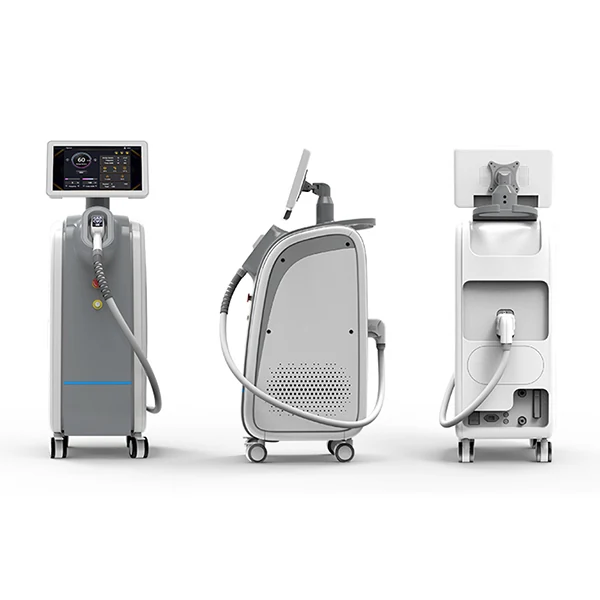
Product presentation · Confirm configuration with your quotation
KES / Hair removal
MED-808T Portable Diode Laser Manufacturer
MED-808T is the KES portable diode laser hair removal machine for professional purchasing enquiries. Its published specification lists a 1000W handpiece, a 13.3-inch Android system and adjustable energy-density, frequency and pulse-duration ranges. This guide helps distributors and equipment buyers turn those details into a specific configuration request. Ask for the complete technical package and local-use documentation before making a purchasing decision.
View specifications ↓For distributors and professional procurement.
Share your destination market when you enquire.
Share your destination market when you enquire.
Technical specifications
| Model No. | MED-808T |
|---|---|
| Operating System | 13.3” Android system |
| Power | 2000VA |
| Handpiece Power | 1000W |
| Energy Density | 1-65J/cm² |
| Frequency | 1-10Hz |
| Pulse Duration | 5-200ms |
Options and order-specific details should be confirmed in the final quotation.
Identify the exact portable diode laser you want quoted
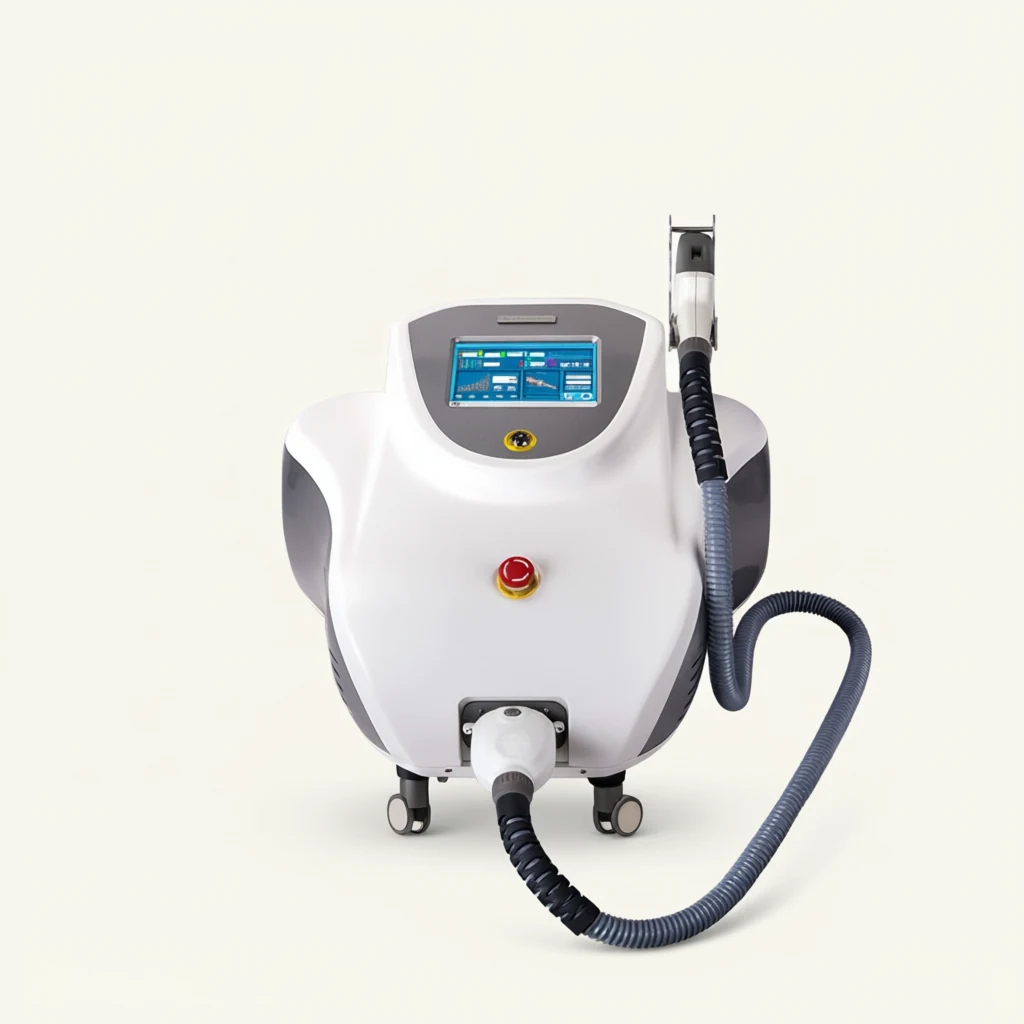
Start with the complete model name MED-808T. A portable diode laser enquiry should identify the equipment, supplied handpiece and intended destination before it moves to pricing. Request current photographs that match the proposed unit and ask for a written list of included items. This lets your purchasing team work from one configuration instead of combining details from several product images or informal messages.
The published product identity is a portable diode laser hair removal machine. That identifies the technology category and intended equipment enquiry, but it does not settle every technical or commercial requirement. Ask for the current configuration sheet, instructions and the information your organisation needs to assess the purchase. A professional buyer should be able to connect each important requirement to a clear answer or supporting document.
If your business is considering this model alongside a larger cabinet system, describe the reason for comparing the formats. Ask for confirmed dimensions, net and packed weight, handling instructions and clearance requirements. Those are procurement questions for the offered configuration. Do not infer portability limits, working footprint or ease of movement from the model name or the appearance of the cabinet alone.
Distinguish handpiece power from the electrical entry
The MED-808T specification lists handpiece power at 1000W and a separate power entry of 2000VA. Keep both the labels and units when preparing a comparison. They are different entries, and the source should not be simplified into a single headline number. Ask for the technical definitions and measurement conditions if your engineer needs to examine the figures in greater detail.
For a quotation, ask whether the offered handpiece corresponds to the published 1000W entry and request its identifier. If alternatives are discussed, have them listed separately with their own documentation and commercial terms. This prevents a base quotation and an optional configuration from being treated as the same product offer. The final order should identify the handpiece as well as the main unit.
The electrical discussion should cover the version supplied to your destination and the installation requirements at your premises. A power entry by itself does not describe every connection or site condition. Share the confirmed documentation with the person responsible for installation. Keep the electrical requirements separate from expectations about appointment capacity or clinical performance, neither of which follows directly from a power label.
Understand the published control ranges as specifications
Energy density is published as 1–65J/cm², frequency as 1–10Hz and pulse duration as 5–200ms. These ranges provide concrete fields for a technical comparison. They do not prescribe an operating setting for any individual. Ask for the current instructions and professional training requirements that apply to the delivered configuration, and keep purchasing information separate from treatment decisions.
During an equipment demonstration, ask how each control is labelled and which combinations are available in the relevant operating modes. A clear demonstration can help your team check the interface and recognise the supplied version. It should not be used to invent a protocol or assume that every published maximum is available under all conditions. Request written clarification when a requirement depends on a specific combination.
For your comparison worksheet, add a space beside each range for the applicable handpiece, document reference and any question still open. This is more useful than placing several maximum values next to competing machines without context. If a proposed configuration differs from the published summary, ask for an updated technical schedule and identify the revision before approving the purchase.
Evaluate the Android interface through a practical demonstration
The published operating-system entry describes a 13.3-inch Android system. Ask to see the interface on the version being quoted, including its control labels, navigation and any information your operators would need to interpret. If language availability matters to your purchasing decision, list the required language and request confirmation. Do not assume the available interface options from the screen size alone.
The product's AI-system description should prompt specific software questions rather than broad expectations. Ask what functions are actually provided, which require configuration and what documentation explains them. If your organisation requires software-update information, account arrangements or connectivity details, request them individually. The product name does not by itself establish automatic clinical decision-making or any particular remote service.
Include interface review in your acceptance plan if it is a purchasing requirement. Ask how the quoted software version will be identified and what evidence can be supplied before dispatch. For a distributor, this also helps keep training materials and local product descriptions aligned with the unit being sold. A screenshot from a different version should not become the basis of an unconfirmed promise to customers.
Plan the handpiece, accessories and working space together
Request the complete handpiece and accessory schedule, including identifiers for the supplied items and information on compatible replacements. Ask which items are required for setup and which, if any, are quoted separately. Keep photographs, item descriptions and quantities together so your receiving team can check the shipment against the approved order rather than relying on memory of a demonstration.
For the workspace, ask for confirmed cabinet measurements, connection locations and the conditions required by the operating instructions. Review the proposed position with the appropriate people at your premises. Include access for the operator and the care or inspection tasks described in the documentation. These are site-planning questions, not claims about a specific clearance or installation arrangement for every MED-808T purchase.
If equipment will be moved between locations, describe that plan in your enquiry and ask what handling, transport and reinstallation requirements apply. Request the packaging information needed for the proposed route. A portable label does not establish that all forms of movement are suitable or that the unit can be put back into service without checks. The instructions for the actual configuration should guide that discussion.
Build a distributor proposal with clear commercial boundaries
Tell KES whether your enquiry concerns a single unit, a demonstration purchase or a wider distribution discussion. Identify the destination market and any documents your importer or local adviser needs to review. Ask for the equipment price, included accessories, optional items and delivery basis to be shown separately. This gives your team a proposal it can compare without guessing what is bundled into the total.
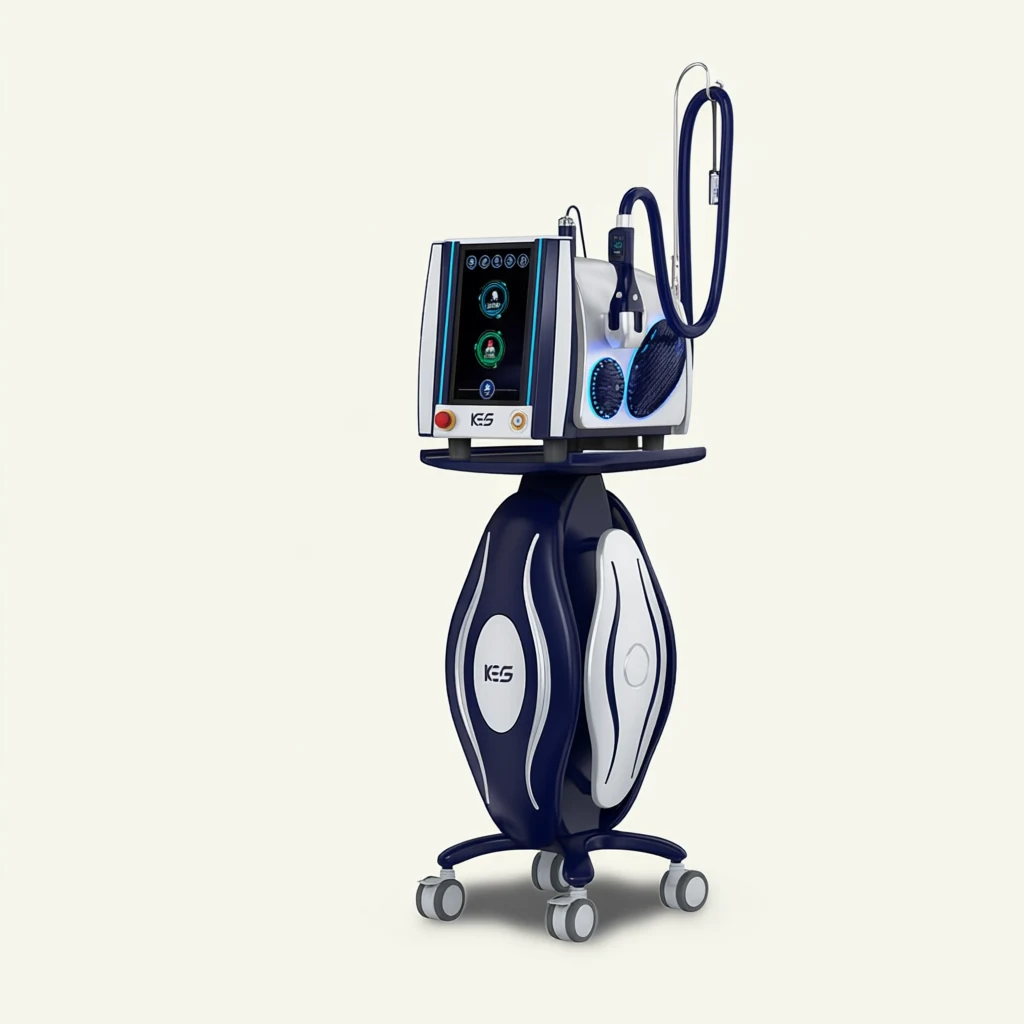
If branding is part of the project, provide a concise brief for the requested product presentation and packaging. Ask which changes can be considered and what approval process, order conditions and timing would apply. Keep the branding brief connected to the technical configuration, but do not treat a visual proposal as approval of a different handpiece or an unverified software function.
For repeat purchases, ask how the approved configuration and subsequent revisions will be identified. Request a consistent reference for the model, handpiece and supporting materials. Your purchasing, sales and service staff should be able to trace the offered product to the unit ordered. A disciplined configuration record is useful when a distributor has several proposals under discussion at the same time.
Request a complete ownership and handover record
Before ordering, ask for the current manual, installation information and documents relevant to your purchasing process. Review their scope against the exact equipment and destination. Do not substitute general company literature for a model-specific document your organisation requires. If a document or technical answer is essential to approval, identify that requirement before discussing shipment rather than leaving it for the receiving stage.
Discuss support terms as part of the commercial proposal. Ask how technical enquiries are submitted, which identifiers are needed, how replacement items are requested and what arrangements can be made for handover or training. Request written terms for the proposed purchase. A catalogue description of a component or product family should not be interpreted as a warranty duration or service response commitment.
At dispatch, ask for the agreed equipment identification, accessory list and inspection record. At receipt, compare the delivered contents with that record and follow the agreed process for reporting discrepancies. Keeping these steps clear helps your team move from enquiry to ownership with the same understanding of the package. The MED-808T model name should remain visible throughout the technical and commercial paperwork.
Before you enquire
Questions, answered.
What handpiece power is published for MED-808T?
The published handpiece-power entry is 1000W. There is also a separate 2000VA power entry. Keep those labels and units distinct in your purchasing comparison. Ask the supplier to confirm the handpiece identifier and configuration included in your quotation, especially if alternatives are discussed. Neither figure should be treated as a guarantee of treatment results or business throughput.
Which adjustable ranges are listed?
The published specification lists energy density of 1–65J/cm², frequency of 1–10Hz and pulse duration of 5–200ms. These are equipment ranges rather than recommendations for a particular application or individual. Ask for the operating documentation and clarification of applicable mode combinations. The controls available on the supplied version should be confirmed during the technical review of your proposed purchase.
What should I ask about the screen and software?
The source describes a 13.3-inch Android system. Ask for a demonstration of the quoted version, available language choices and the documentation explaining its functions. If update arrangements or connectivity are important to your organisation, include them as explicit questions. Do not infer a particular software service or automated clinical function from the AI-system wording used in the product name.
Can this page determine which configuration suits my local practice?
No. It provides model-specific purchasing information and questions for a technical enquiry. Suitability for your intended professional use requires the relevant documentation, local requirements and appropriate assessment. Tell the supplier what your purchasing team needs to verify, then request a configuration-specific response. Do not replace that review with a general comparison of advertised power or adjustment ranges.
How should a distributor request a proposal?
Specify MED-808T, your destination, business role and expected purchase quantity. List the handpiece, documentation, branding and delivery questions you want addressed. Ask for a written configuration schedule and separate commercial terms for optional items. The hair-removal category can help organise a wider shortlist; the contact and OEM/ODM pages provide a route for a more detailed model-specific discussion.
Keep exploring
Explore category →In the same collection.
Your next equipment project
Let’s build your shortlist.
Tell us your market, preferred model and configuration questions.