Product presentation · Confirm configuration with your quotation
KES / Skin tightening
RF Microneedling Machine Manufacturer
Make cartridge identification and the proposed supply package central to your RF microneedling enquiry. Review the published RF and interface entries, then request the exact equipment identity, accessory contents and documentation for the configuration you want evaluated.
View specifications ↓For distributors and professional procurement.
Share your destination market when you enquire.
Share your destination market when you enquire.
Technical specifications
| RF frequency | 2MHz-4MHz |
|---|---|
| RF power | 10-200W |
| Needle cartridges | 10pin,25pin,64pin Nano needle |
| Needle Thickness | 0.3mm |
| Treatment Duration | 0.1-0.6s |
| Suction level | 2 level |
| Control Display | 12 inch color touch screen |
| Voltage | AC 110V/220V, 50Hz/60Hz |
Options and order-specific details should be confirmed in the final quotation.
Define the RF microneedling equipment in your request
Use RF Microneedling Machine as the product reference for this page. Ask the supplier to identify the exact equipment designation and version on the quotation and supporting documents. The information presented here does not assign a separate model number. Keep the confirmed designation with the purchase record once the proposed unit has been identified, rather than borrowing a model name from another RF product.
Begin the enquiry with the destination, proposed quantity and purchasing role. Explain whether you are evaluating an individual machine, arranging a demonstration or preparing a distributor order. List the documentation and accessory questions your reviewer needs answered. For this equipment category, your brief can pay particular attention to cartridge identification, the supplied instructions and the distinction between machine supply and future consumable requests. This page provides published specification entries for procurement discussion. Treatment decisions, operating procedures and suitability assessments should follow the appropriate professional review and the applicable documentation for the supplied equipment.
Examine the RF frequency and power fields
The published RF frequency is 2–4 MHz, and RF power is 10–200 W. Keep both field names and units in your technical enquiry. Ask for the current documentation explaining how these entries apply to the quoted configuration and how relevant controls are represented on its interface. If your evaluation requires additional measurement conditions or technical information, request them explicitly.
Your procurement review should avoid treating a range as a guarantee of a particular result. Instead, ask whether the supplier can provide the technical material your reviewer requires and which details need to be confirmed before the order is defined. Record the response against the equipment identity used in the quotation. Where a proposed configuration differs from a general catalogue entry, request a revised written specification. This is especially useful for distribution planning: the description you later publish should reflect the version you have actually agreed to purchase, without adding unverified claims about clinical performance or broad suitability.
Make the cartridge list explicit
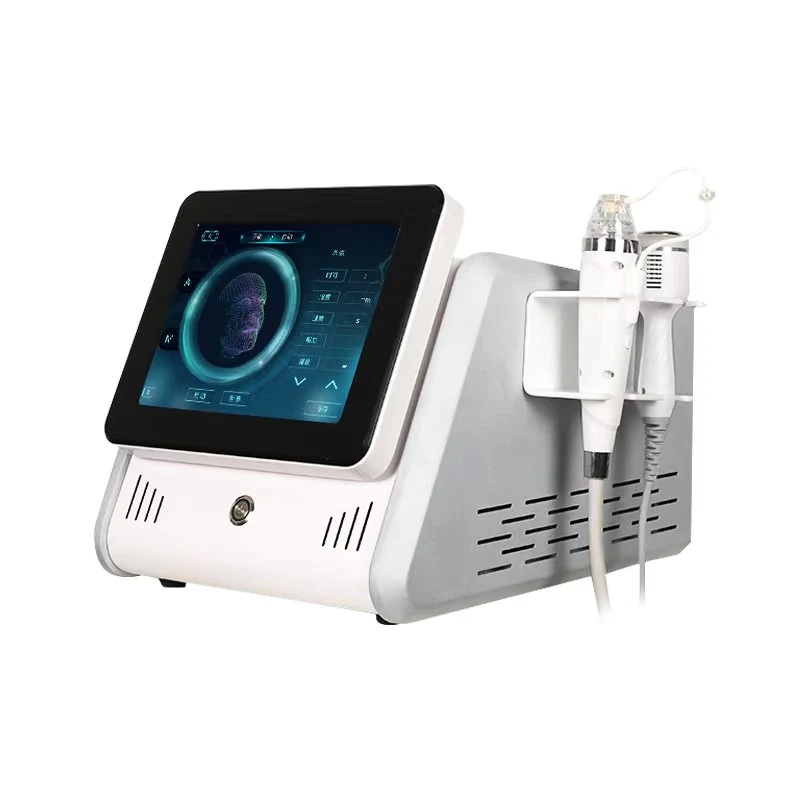
The published needle-cartridge entry reads 10 pin, 25 pin, 64 pin Nano needle. Preserve those labels in the enquiry and ask how the supplied cartridge types are individually identified. Request photographs, identifiers and a clear list of what is included with the machine. Ask for clarification of the Nano wording and its relationship to the proposed package before preparing your own catalogue or consumables order.
For each cartridge you want quoted, ask for the applicable documentation and the information your business needs to review its intended use, packaging and handling requirements. Do not infer compatibility, reuse conditions or a complete consumables policy from a pin count. If you anticipate later orders, ask how the equipment version and cartridge identifier should be referenced when requesting replacements. Keep starter quantities separate from future stock forecasts. An initial quotation should make the proposed delivery contents clear, while any later supply arrangement should be discussed on its own terms rather than assumed from the availability of the equipment page.
Keep needle thickness separate from other dimensions
Needle thickness is listed as 0.3 mm. Use that exact field name when discussing the published figure. This page does not establish a needle-depth specification. If a dimensional detail is essential to your evaluation, ask for the current technical document associated with the proposed cartridge and equipment version. Do not fill the missing field from a different listing or infer it from the thickness entry.
A useful cartridge review can ask which identifiers appear on the product and packaging, what documentation accompanies each type and how the supplied items can be checked against the order. Request answers from the supplier for your own technical and market review. Those questions should establish what is being offered, not become a substitute for professional operating guidance. Before making a purchase commitment, keep any unresolved dimensional or compatibility question visible in the record. If a specific detail is required for approval, obtain that detail in writing for the actual proposed package rather than relying on an abbreviated marketing description.
Clarify the duration and suction labels
The published Treatment Duration entry is 0.1–0.6 seconds, and suction is listed as two levels. Retain the source labels when asking for clarification. Ask what the duration field describes in the applicable technical documentation and how the suction levels are represented on the quoted interface. Do not treat the duration entry as the length of an entire appointment or infer a treatment protocol from the two fields.
For an equipment demonstration, prepare questions about the interface terminology, cartridge identification and the documentation supplied with the machine. Request a scope that allows your qualified reviewer to evaluate those matters. If your business needs further technical evidence before deciding whether the equipment meets its requirements, identify that need separately. A demonstration should not be represented as a guarantee of a future clinical outcome or as proof that a particular operating setting is suitable. The purchasing objective is to resolve how the proposed equipment is identified, documented and supplied, with the relevant unanswered questions recorded before order approval.
Review display and destination power requirements
The control-display entry lists a 12-inch color touch screen. Voltage is published as AC 110 V/220 V at 50 Hz/60 Hz. Tell the supplier which electrical arrangement your destination requires and ask the quotation to identify the supplied version. Request the corresponding equipment label, connection details and setup information for review. The listed alternatives do not by themselves establish automatic voltage switching.
If interface language is part of your requirement, ask which language is included in the quoted configuration and what options can be considered. Request current interface photographs or an agreed demonstration. Keep documentation-language requests on the same brief so that the equipment information and written instructions can be reviewed together. A screen-size entry does not establish software features or available translations. Before arranging your receiving location, request the physical dimensions, packed weight and setup conditions that are relevant to the actual order. These details are not supplied by the RF or display specifications on this page and should remain explicit questions.
Structure the comparison and customization review
When comparing RF equipment, create a separate record for this RF Microneedling Machine. Useful fields include the confirmed equipment identity, RF frequency, RF power, cartridge labels, needle thickness, duration-field definition, suction levels and electrical version. Include a separate section for the delivered cartridge quantities and documentation. Do not combine those details with specifications from a different RF device simply because the products share a category label.
For OEM/ODM enquiries, set out the proposed branding and presentation changes in writing. You can request review of artwork, packaging language and documentation format, with an answer identifying what is available and what conditions apply. Keep any change to technical information separate from artwork approval. A distributor may also need documents for a destination-market review; ask which documents apply to the actual equipment and cartridges. Avoid claiming an authorization or certification from a general company statement. Before publishing a catalogue, verify that the descriptions and photographs represent the agreed package and do not add unconfirmed clinical, compatibility or service claims.
Quote the equipment and ongoing supply questions separately
Ask for an itemized quotation identifying the machine, included cartridges, other accessories and any separately priced items. State the destination and quantity, and request quotation validity and the proposed delivery arrangements. If you need additional cartridge stock, put the requested identifiers and quantities on separate lines. This makes it easier for your team to review the initial purchase without treating a future supply forecast as an existing commitment.
Discuss the after-sales process before acceptance. Ask what information is needed to identify the supplied equipment, how technical enquiries are submitted, and how a replacement-component or cartridge enquiry would be handled. Request the written warranty terms and the scope of any proposed training or assistance. Pricing, delivery timing and service response conditions need an offer specific to the purchase. Keep the agreed equipment identity and accessory list available to the receiving team, along with the documentation requested by your reviewer. Start through the contact page with your machine quantity and cartridge questions, then attach the technical and commercial points you need resolved.
Before you enquire
Questions, answered.
Does this page specify a model number?
The product is identified here as RF Microneedling Machine; no separate model number is assigned. Ask for the exact equipment designation and version in the quotation. Keep that confirmed identity on the accessory list and documentation. Do not substitute the model name of another RF product when requesting cartridges, technical information or replacement items.
Which RF values are published?
The specification lists RF frequency of 2–4 MHz and RF power of 10–200 W. Ask for the current technical documentation explaining the entries for the quoted equipment. These values are procurement references, not operating instructions or promises of a particular outcome. Additional technical conditions should be reviewed against the actual proposed configuration.
What cartridge information should I confirm?
The published entry names 10 pin, 25 pin and 64 pin Nano needle. Ask for the exact cartridge identifiers, photographs and included quantities, and request clarification of the Nano wording. Review the applicable packaging, handling and compatibility documentation rather than inferring these matters from the pin count or a general accessory image.
Is 0.3 mm the needle-depth specification?
The source labels 0.3 mm as Needle Thickness. This page does not establish a depth specification. If depth or another dimension is necessary for your technical review, request the current documentation for the exact equipment and cartridge version. Keep the dimensions separate and do not substitute a value taken from a different product listing.
How should I request equipment and cartridge pricing?
Give the destination and machine quantity, then list your desired cartridge identifiers and quantities separately. Ask the supplier to confirm the actual equipment designation, included accessories and electrical version. Add documentation and service questions, and request written commercial terms. Keep any forecasted future supply requirements separate from the initial order being quoted.
Keep exploring
Explore category →In the same collection.
Your next equipment project
Let’s build your shortlist.
Tell us your market, preferred model and configuration questions.